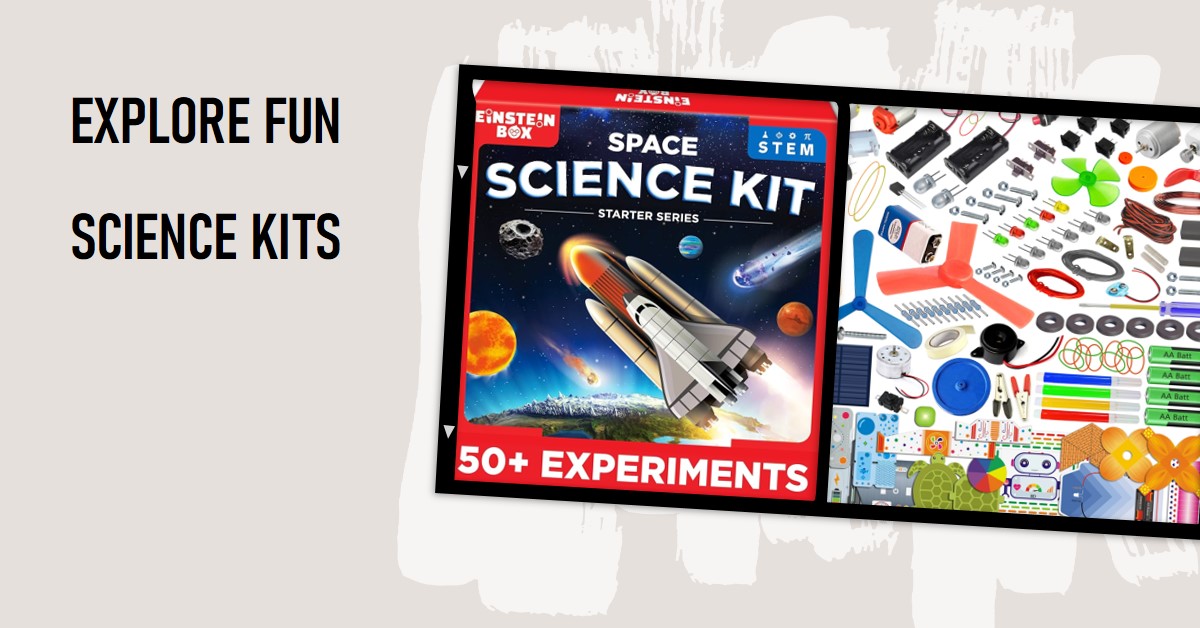
In today’s technology-driven world, developing an early interest in Science, Technology, Engineering, and Mathematics (STEM) is crucial for children’s cognitive development. DIY science experiment kits offer a hands-on approach to learning that transforms abstract concepts into engaging activities. These kits make learning enjoyable while fostering critical thinking, problem-solving skills, and natural curiosity about the world around us.
Finding affordable options can be challenging for parents and educators working with limited budgets. This article explores the top 10 most affordable DIY science experiment kits available in India. We’ve analyzed features, benefits, and potential drawbacks to help you make an informed decision when selecting budget-friendly STEM learning resources for the young scientists in your life.
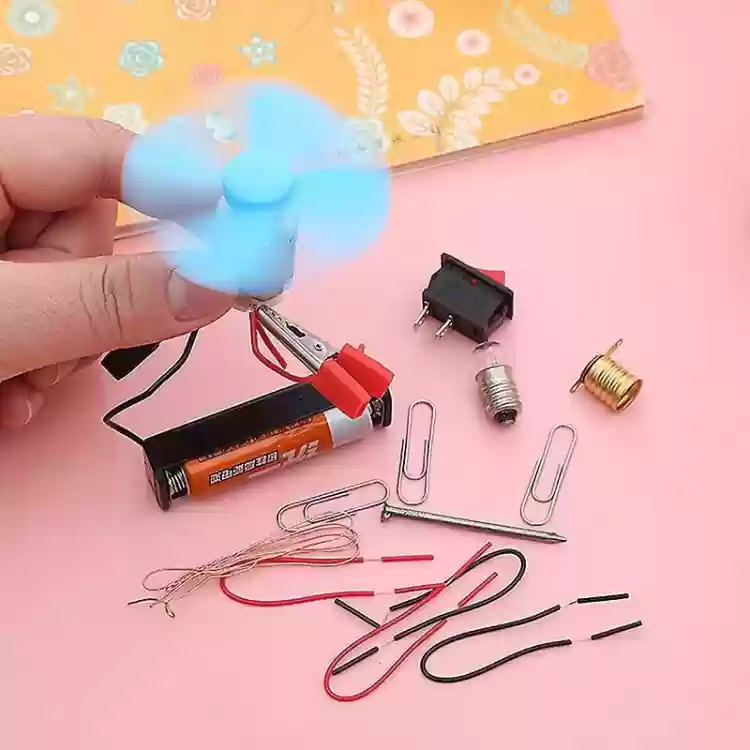
1. KHILONEWALA School Science Kit: Electric Circuit Kit
Features:
- Basic electrical components including battery base, motor, fan blade, and light bulb
- Includes alligator clips, switch, and connecting wires
- Suitable for beginners learning about circuits
- Battery-operated (AA batteries required)
Pros:
- Perfect introduction to basic electricity and magnetism concepts
- Helps children understand circuit creation fundamentals
- Highly affordable entry point into STEM learning
- Stimulates curiosity in physics through hands-on activities
Cons:
- Some quality issues reported with components
- May require additional guidance for younger children
- Limited experiment options compared to more extensive kits
This electric circuit kit provides a fantastic first step into the world of electrical science. Children can build simple circuits and witness firsthand how electricity powers everyday objects. The hands-on nature of the experiments helps cement abstract concepts in a way textbooks simply cannot achieve.
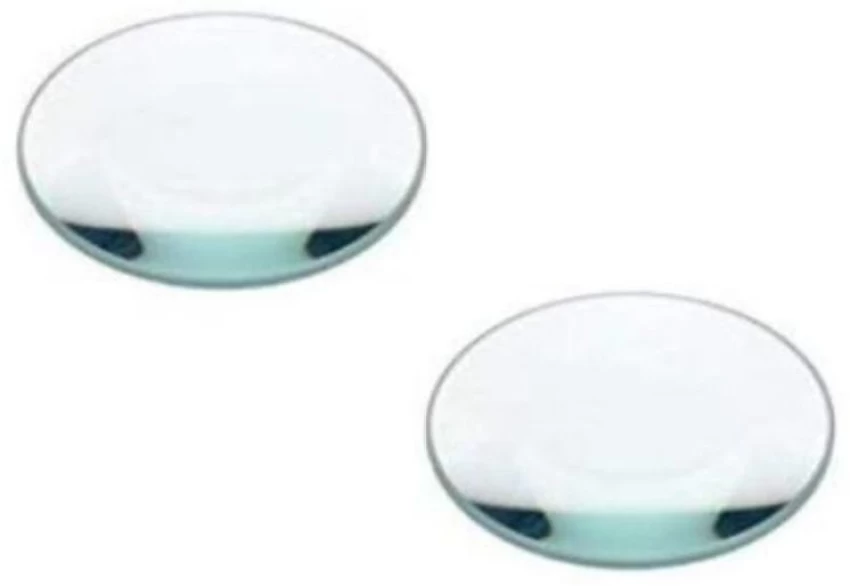
2. ERHIndia Convex Lens Science Kit
Features:
- Set of 2 convex lenses (50mm diameter)
- 25cm focal length for various optical experiments
- High-quality glass construction
- Suitable for DIY optical projects
Pros:
- Excellent introduction to basic optics principles
- Perfect for learning about light refraction and magnification
- Can be used to build simple optical instruments
- Durable components for repeated use
Cons:
- Not a complete experiment kit, just components
- Requires additional materials for full experiments
- Needs guidance or instructions for effective learning
The ERHIndia lens kit opens up a world of optical exploration. Young scientists can learn how light behaves when passing through different mediums and understand the principles behind everyday devices like magnifying glasses and cameras. These fundamental concepts form the building blocks of more advanced optical science.
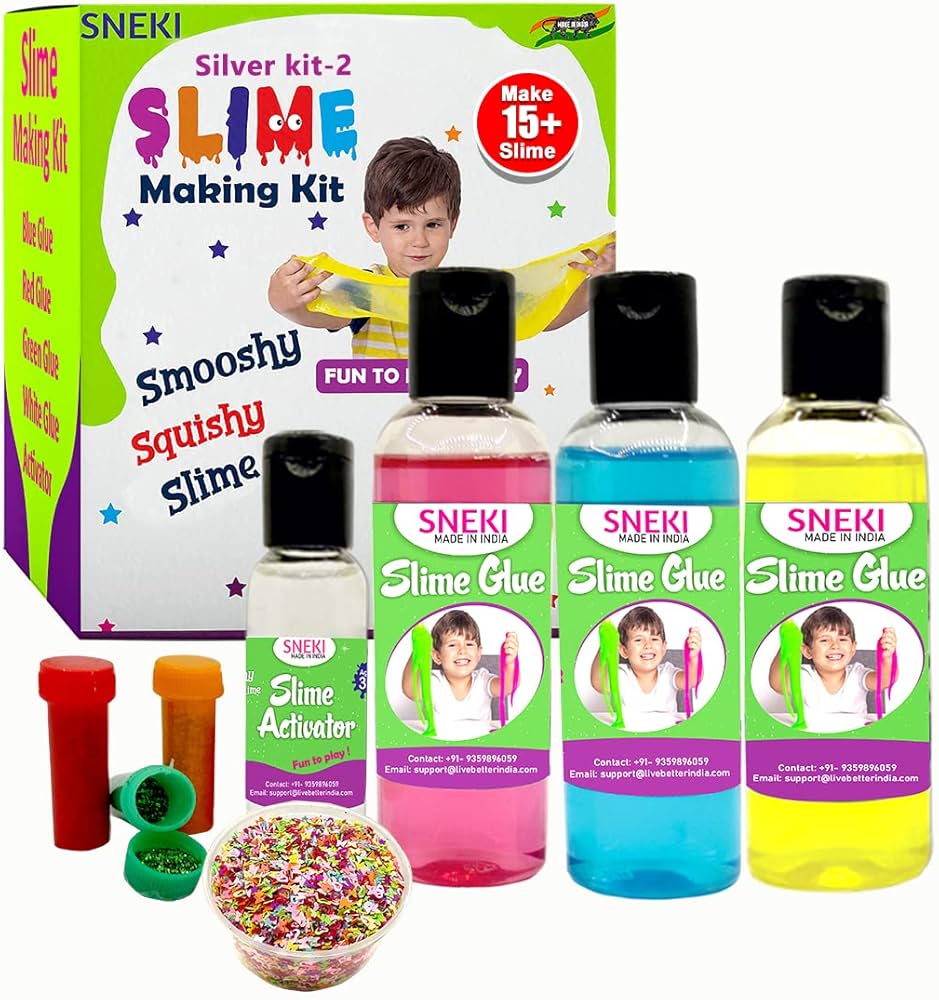
3. Sneki Multicolor Slime Making Kit
Features:
- 8 colorful slime glue bottles
- Slime activator solution included
- Decorative accessories like glitter stars and balls
- Safe, washable, and reusable materials
Pros:
- Fun way to learn about polymers and chemical reactions
- Develops fine motor skills and creativity
- Non-toxic materials make it safe for children
- Provides hours of entertaining educational activity
Cons:
- Can be messy and requires supervision
- Quality of ingredients may vary
- Limited scientific principles compared to other kits
The Sneki slime kit combines science with creativity, making it perfect for younger children who learn best through sensory experiences. While making colorful slime, kids learn about viscosity, polymers, and chemical reactions in an engaging way that doesn’t feel like traditional learning.
4. SYMFONIA Solar Power Water Pump Science Project
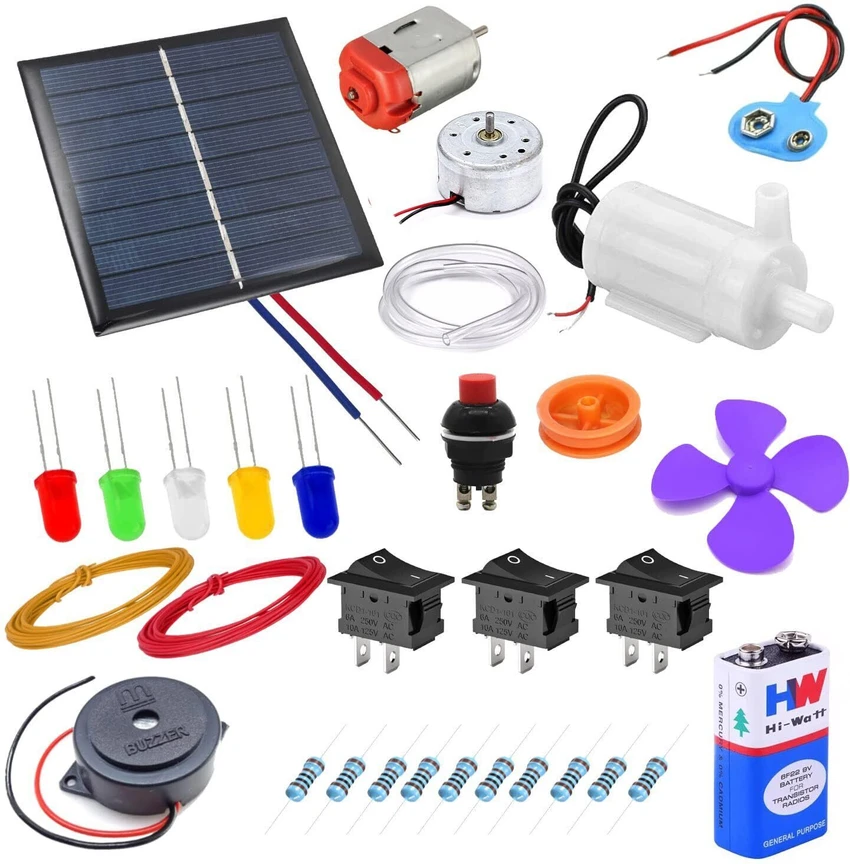
Features:
- Mini solar panel for renewable energy learning
- Complete circuit components (LED, buzzer, switches)
- Water pump mechanism included
- All necessary wires and connectors provided
Pros:
- Introduces renewable energy concepts
- Teaches basic electrical circuit principles
- Develops problem-solving skills
- Creates a working solar-powered device
Cons:
- Requires good sunlight for optimal functioning
- Some assembly challenges for younger children
- May need adult supervision for certain steps
This innovative kit helps children understand how solar energy can be converted into mechanical power. By building a working water pump powered by sunlight, kids gain hands-on experience with renewable energy concepts that are increasingly important in today’s world.
5. Sneki Educational Science Experiment Kit
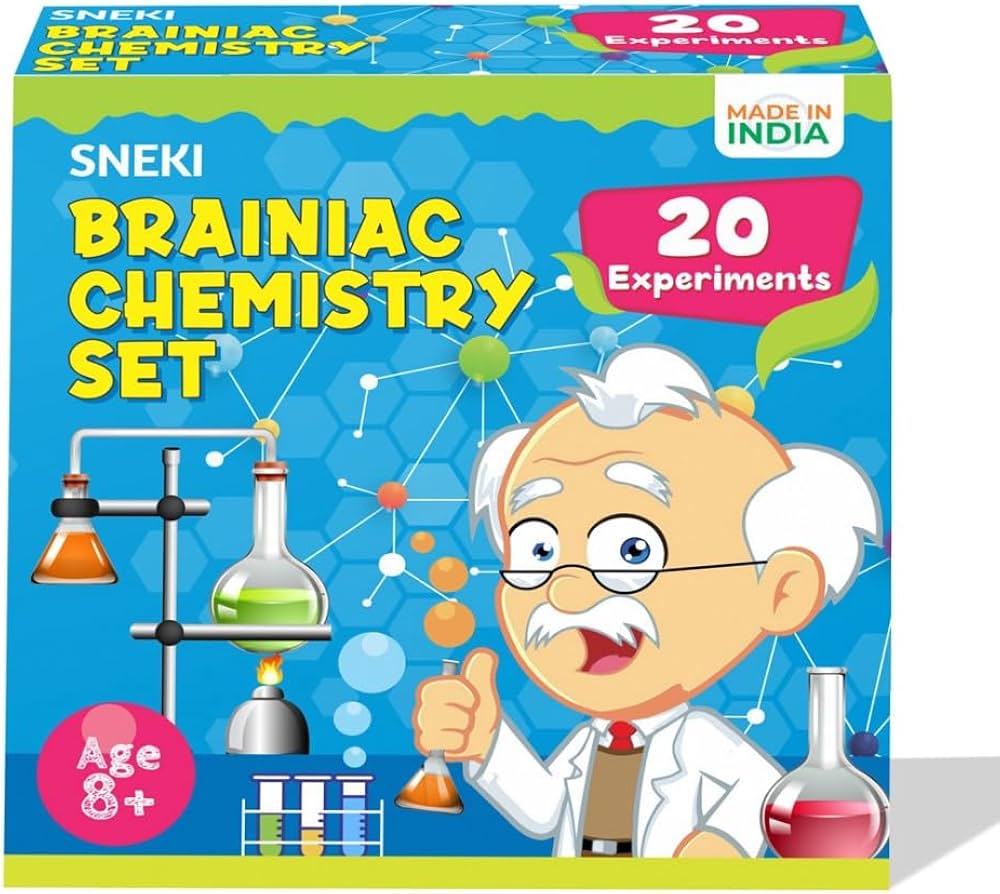
Features:
- Over 100 potential experiments
- Covers chemistry, water science, and air science
- Non-toxic materials throughout
- Suitable for ages 8-14 years
Pros:
- Extensive learning opportunities in multiple science fields
- Keeps children engaged for longer periods
- Encourages scientific curiosity and investigation
- Safe materials for the intended age group
Cons:
- Some experiments require adult supervision
- Actual experiment count may differ from advertised
- Varying difficulty levels may frustrate some users
With its wide range of experiments, this kit offers excellent value for money. Children can explore different scientific disciplines and discover which areas spark their interest most. The variety ensures that kids stay engaged with STEM learning over an extended period.
6. Butterfly Edufields DIY Catapult Kit
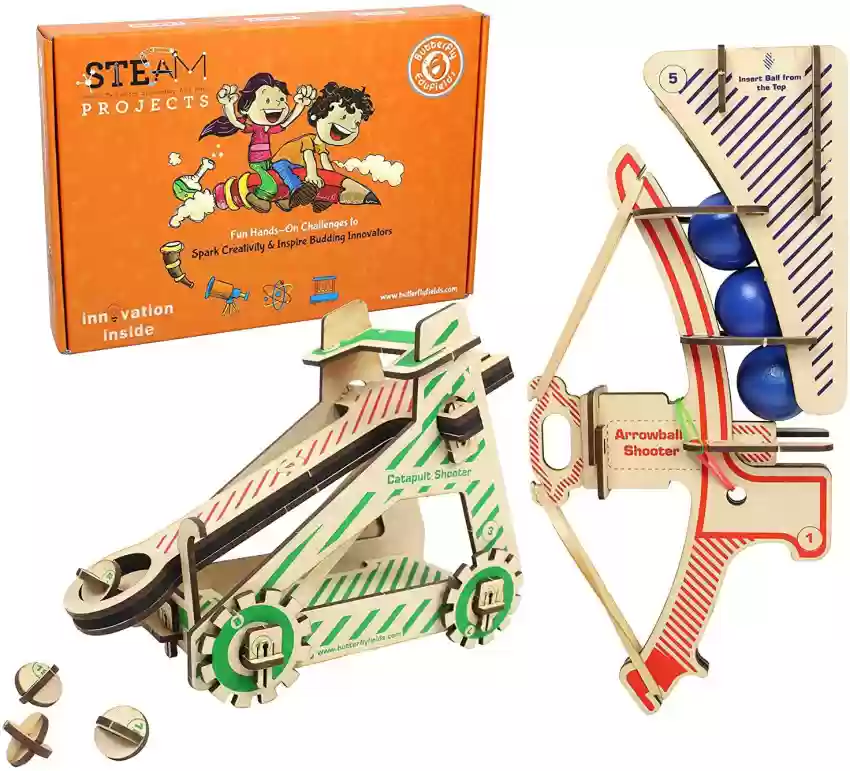
Features:
- Wooden and foam construction materials
- Teaches engineering and physics principles
- Focuses on mechanical energy concepts
- Complete building instructions included
Pros:
- Hands-on learning about mechanics and engineering
- Develops spatial reasoning and motor skills
- No batteries required – fully mechanical
- Combines construction with scientific learning
Cons:
- Some design and alignment issues reported
- Assembly may be challenging for younger children
- Limited to mechanical physics concepts
This kit brings history and science together through the classic catapult design. While building their own working mini-catapult, children learn about potential energy, projectile motion, and leverage – fundamental physics concepts presented in an engaging format.
7. STEM Learner My Summer Perfume Making Lab
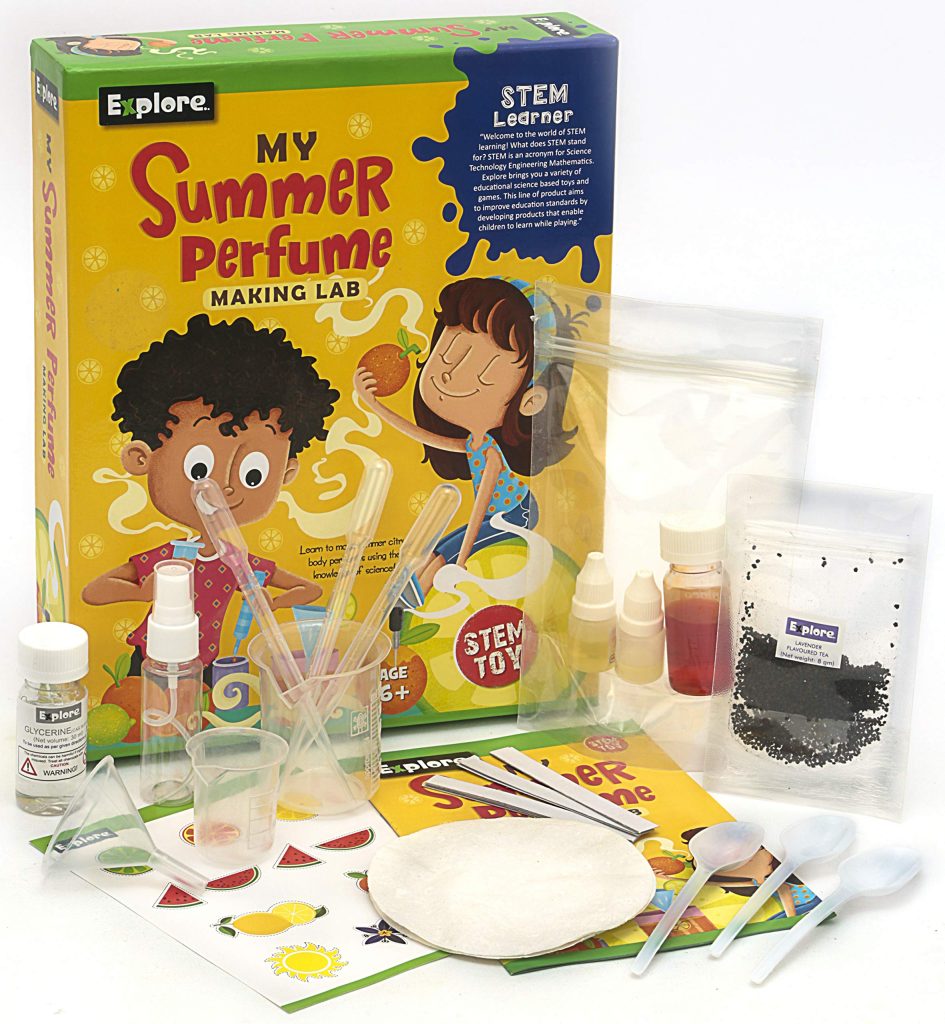
Features:
- Glycerine base and various fragrances
- Scientific tools (beakers, funnels, test strips)
- Food coloring for customization
- Comprehensive instruction manual
Pros:
- Creative introduction to basic chemistry
- Develops sensory awareness and observation skills
- Multiple use design for repeated experiments
- Step-by-step instructions for easy learning
Cons:
- Fragrances may not be very long-lasting
- Potential skin sensitivity issues
- Some kits reported missing components
This unique kit combines science with creativity, teaching children about mixtures, solutions, and scent chemistry. The process of creating personalized perfumes makes chemistry accessible and enjoyable, especially for children who might not naturally gravitate toward traditional science experiments.
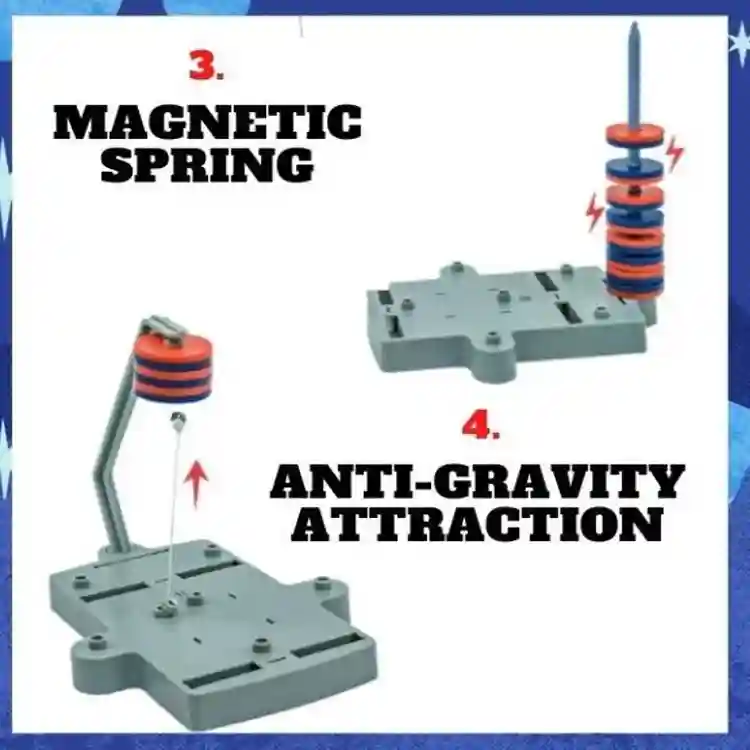
8. Little Olive Newton Box DIY Magnet Science Kit
Features:
- Various magnet types and materials
- Focused on magnetism experiments
- Durable components for repeated use
- Comprehensive guide to magnetic principles
Pros:
- In-depth exploration of magnetism fundamentals
- Develops problem-solving and critical thinking
- Engaging hands-on experiments
- High educational value for the price
Cons:
- Limited to magnetic science concepts
- Some quality inconsistencies reported
- May be too focused for some children
Magnets never fail to fascinate young minds, and this kit channels that natural curiosity into structured learning. Children discover magnetic fields, polarity, and attraction/repulsion principles through entertaining experiments that demonstrate these invisible forces in action.
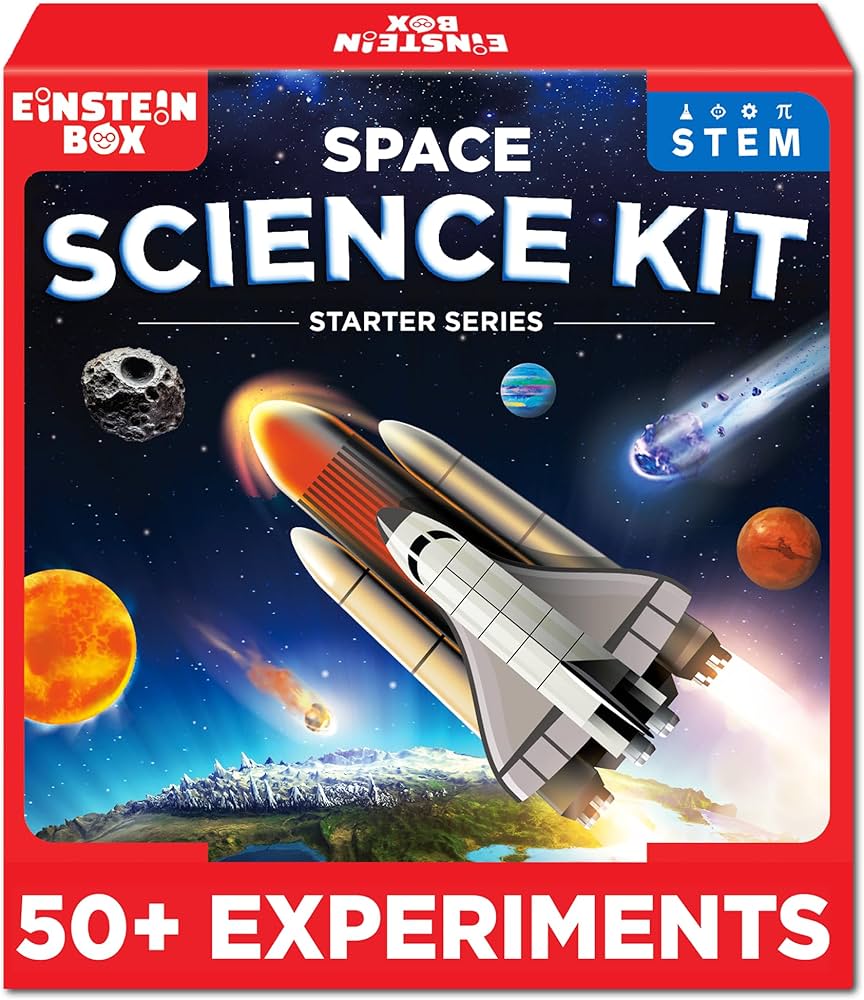
9. Einstein Box Space Science Starter Kit
Features:
- Space-themed educational materials
- Paper and plastic construction components
- Suitable for ages 6-15 years
- No batteries required
Pros:
- Engages space-enthusiastic children
- Wide age range suitability
- Introduces astronomy concepts
- Well-received by customers
Cons:
- Limited experiment details in product description
- Content may vary from advertised materials
- May require additional research for context
This kit ignites passion for space exploration through hands-on activities. By connecting abstract concepts like gravity and planetary motion to tangible experiments, children develop a deeper understanding of our universe and the scientific principles that govern it.
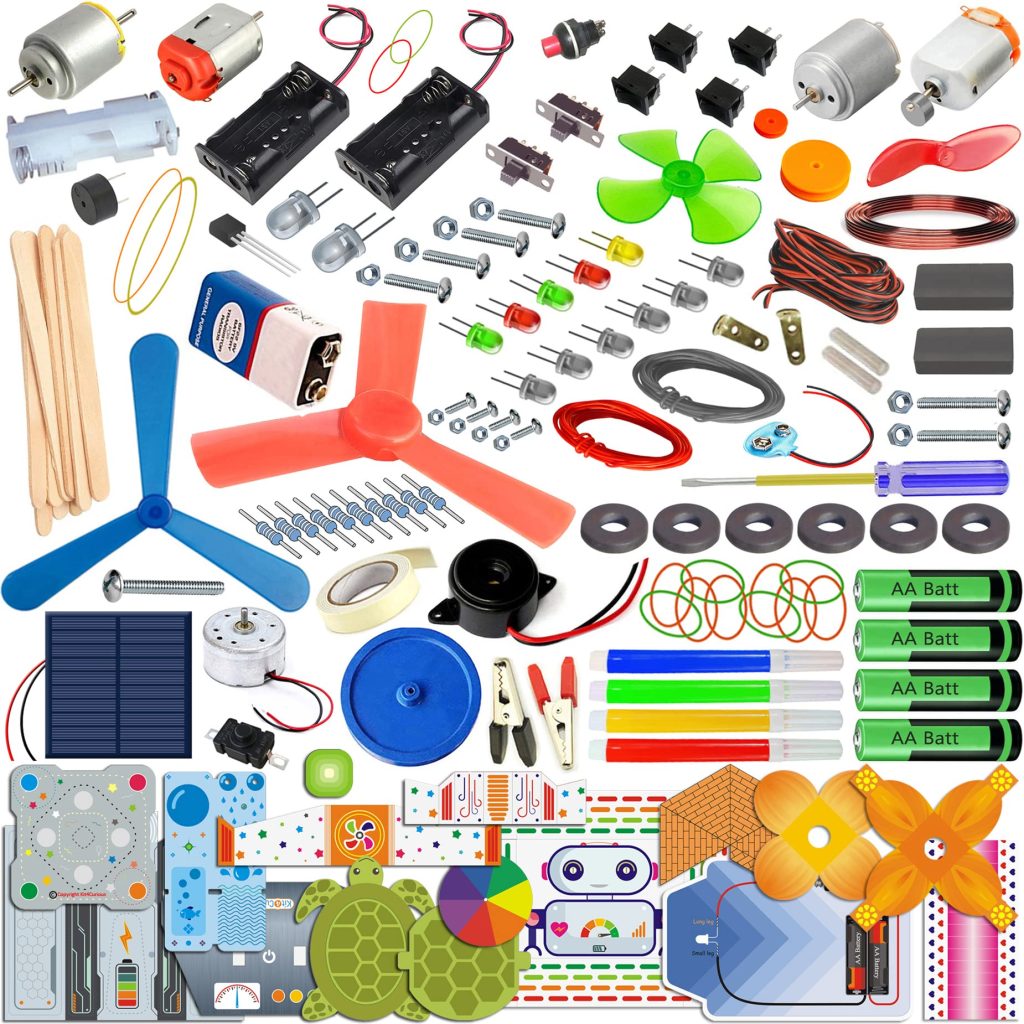
10. Kit4Curious 140 Experiments Science Projects DIY Kit
Features:
- 140+ items for over 140 different experiments
- Includes 128 DIY projects, 13 STEAM activities, and 3 solar energy experiments
- Made from paper, plastic, and metal components
- Multiple size options available (60, 70, 100, 140, 241, or 555 projects)
Pros:
- Exceptional value with the highest number of experiments in this price range
- Covers multiple science disciplines in one comprehensive kit
- Highly rated by customers (4.2/5 stars from over 10,000 ratings)
- Includes solar energy projects for renewable energy learning
Cons:
- May contain small parts requiring adult supervision
- Larger kit might be overwhelming for beginners
- Higher price point than other options, though still affordable for the content
This extensive kit offers remarkable value with its vast range of experiments. Popular among parents and educators, it’s received excellent reviews for its educational impact. The inclusion of solar energy projects makes it particularly relevant for teaching sustainability concepts alongside traditional science principles.
Conclusion
Affordable DIY science kits make STEM education accessible to all children regardless of budget constraints. These top 10 options cover various scientific disciplines from electricity and magnetism to chemistry and optics. By providing hands-on learning experiences, these kits transform abstract concepts into tangible discoveries that spark curiosity and build essential skills. Whether your child is fascinated by circuits, slime, magnets, or the cosmos, there’s an affordable option to nurture their scientific interests. Investing in these budget-friendly kits today could inspire the scientists, engineers, and innovators of tomorrow.